Tourmaline

One Gem, a thousand colors. None alike

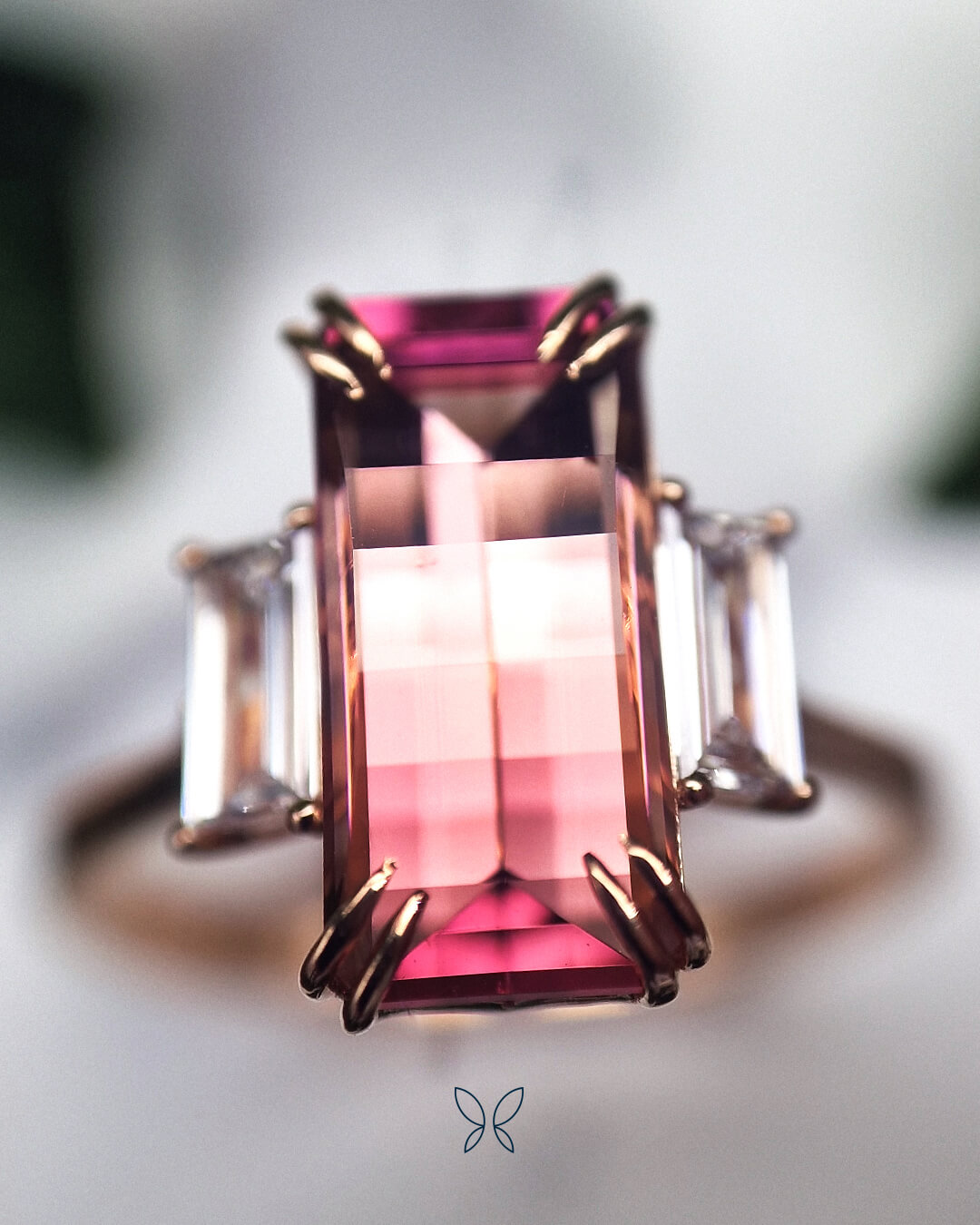
If there is one family of Gems that astonishes with variety and character, it is Tourmaline. Its very name comes from the Sinhalese turamali, meaning “stone of mixed colors.” And no description could be more accurate. From the neon-water shades of Paraiba to the most delicate pinks, from vivid greens to golden yellows, each Tourmaline tells its own story, with hues that never repeat themselves.

Tourmaline resists labels: its nature is complex, its chemistry diverse, its colors infinite. That’s why it has become the choice of those who want something different, who don’t settle for a “classic” and instead seek a Jewel with its own soul. In recent decades, Tourmaline has taken the stage of high jewelry: versatile, durable, and surprising, it speaks to every taste.

Do you know this Gem?

Origin

Tourmaline is a complex borosilicate with hardness 7–7.5 on the Mohs scale: durable, yet soft enough to allow intricate cuts.

Its brilliance is lively, its color intense, often multitone, with optical effects that take your breath away

The most famous deposits are in Brazil, Madagascar, Mozambique, Nigeria, Afghanistan, and the United States. Each source brings its nuances: the neon blues of Brazilian Paraibas, the bright greens of Africa, the pastel pinks of the U.S.

It is the bond with their land of origin that makes them so diverse and captivating.

History

“Turamali, lapis de coloribus mixtis.” (Tourmaline, the stone of mixed colors) – ancient Sinhalese definition

In Europe, Tourmaline became known in the 18th century, when Dutch traders imported it from Sri Lanka. It was called the “magnetic stone,” as when heated it could attract pipe ash.

Over time it won the hearts of royals and collectors, becoming one of the most beloved Gems of the Art Nouveau period, chosen for its ability to amaze with unexpected hues. Today, it remains a symbol of creativity and transformation.

Technical characteristics

Tourmaline is a complex borosilicate with hardness 7–7.5 on the Mohs scale: durable, yet soft enough to allow intricate cuts.

Its brilliance is lively, its color intense, often multitone, with optical effects that take your breath away. The Paraiba variety is the most famous and rarest, thanks to its electric hues derived from copper.

Its brilliance is lively, its color intense, often multitone, with optical effects that take your breath away

Variety

The Tourmaline family is very large:

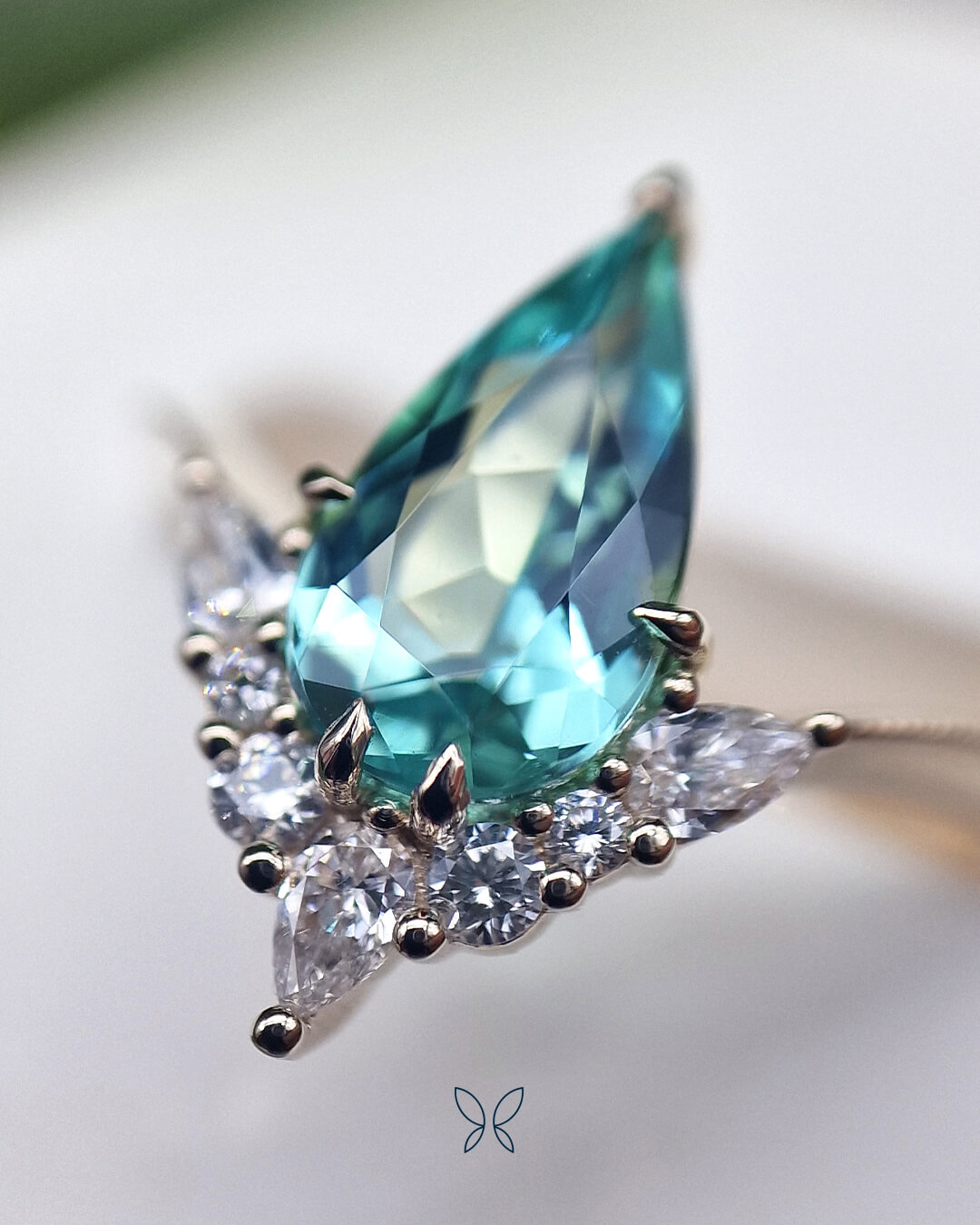
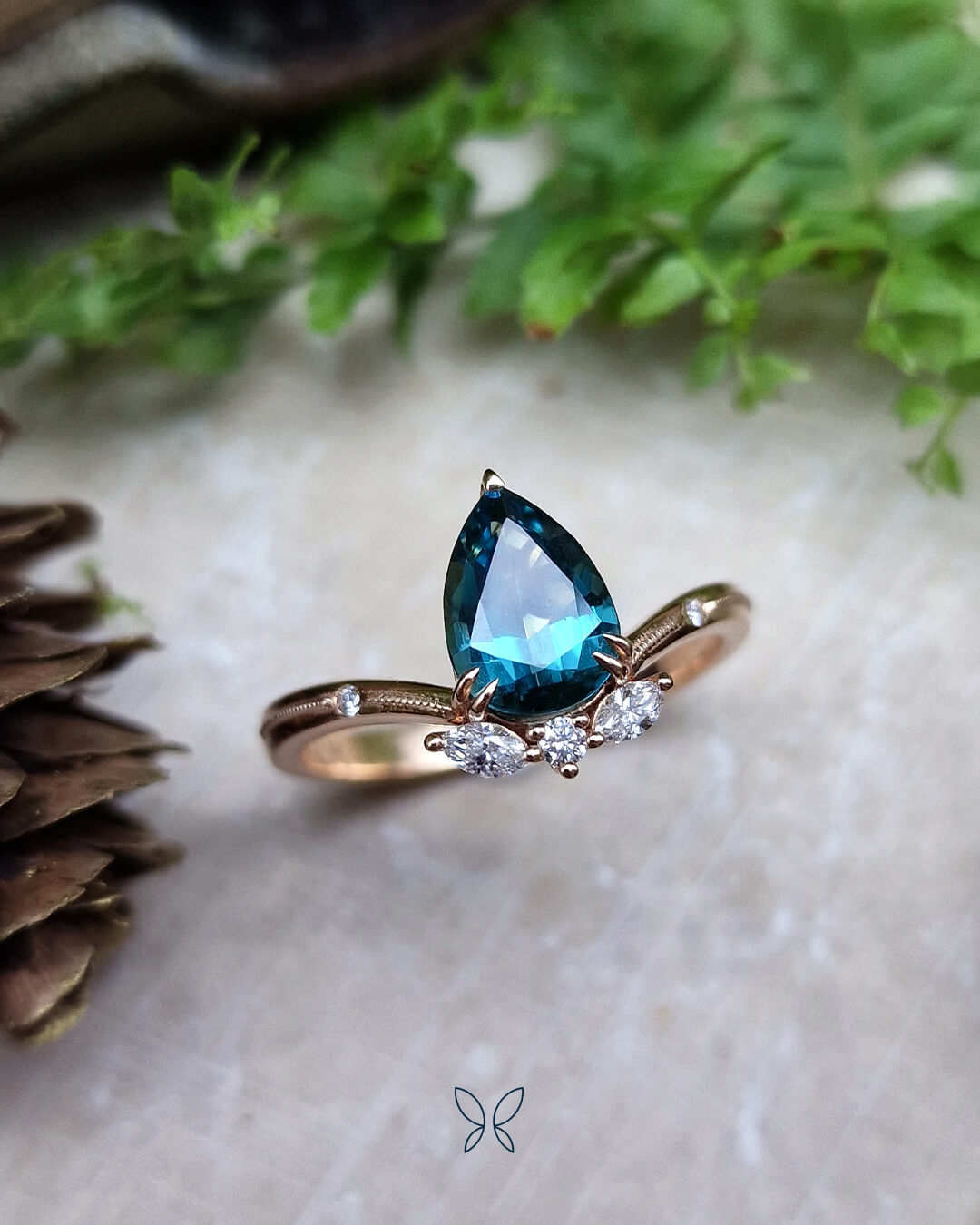
  • Paraiba: neon blues and greens, extremely rare and valuable, discovered in Brazil and later in Mozambique and Nigeria.
  • Indicolite: blue-green shades reminiscent of tropical lagoons.
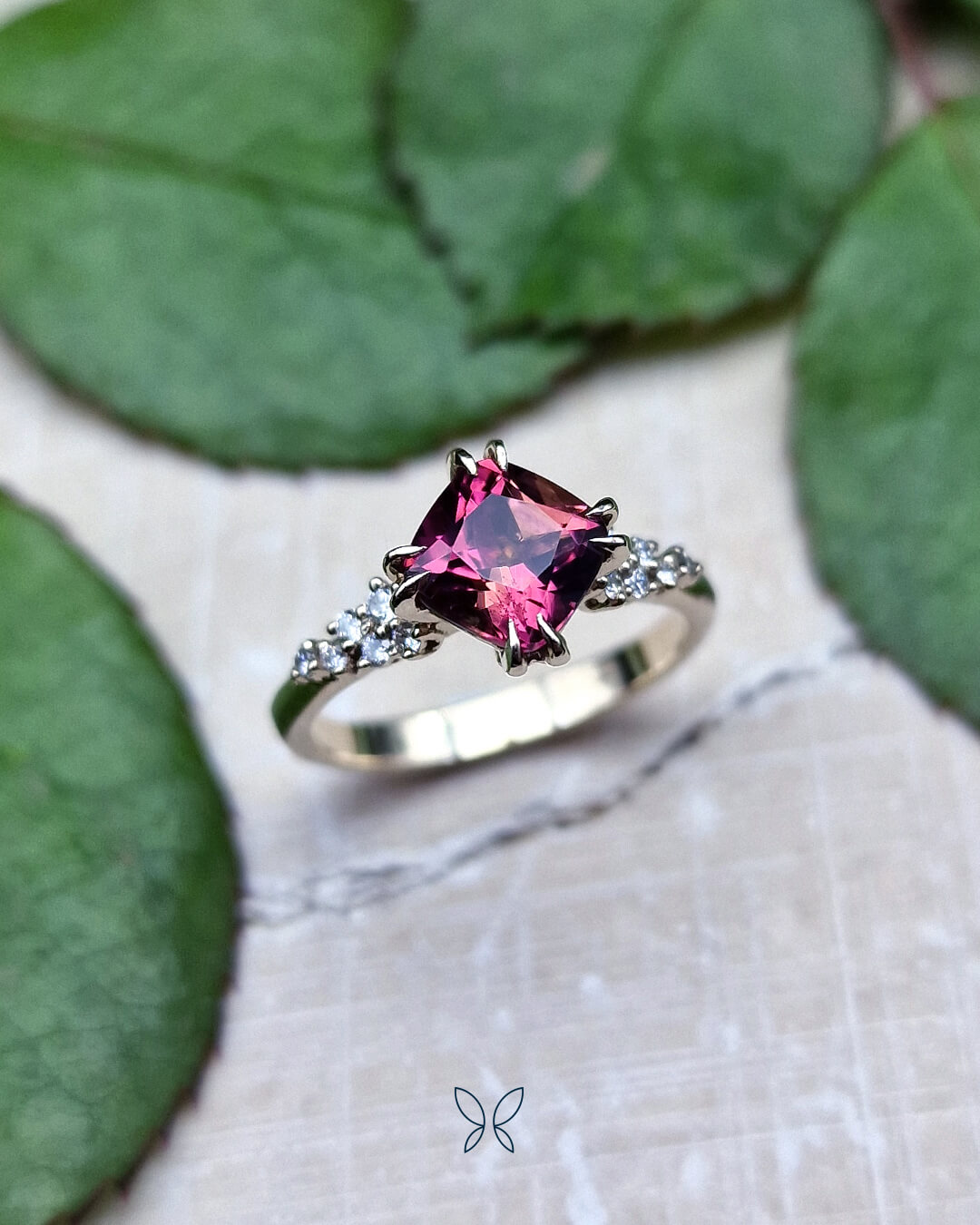
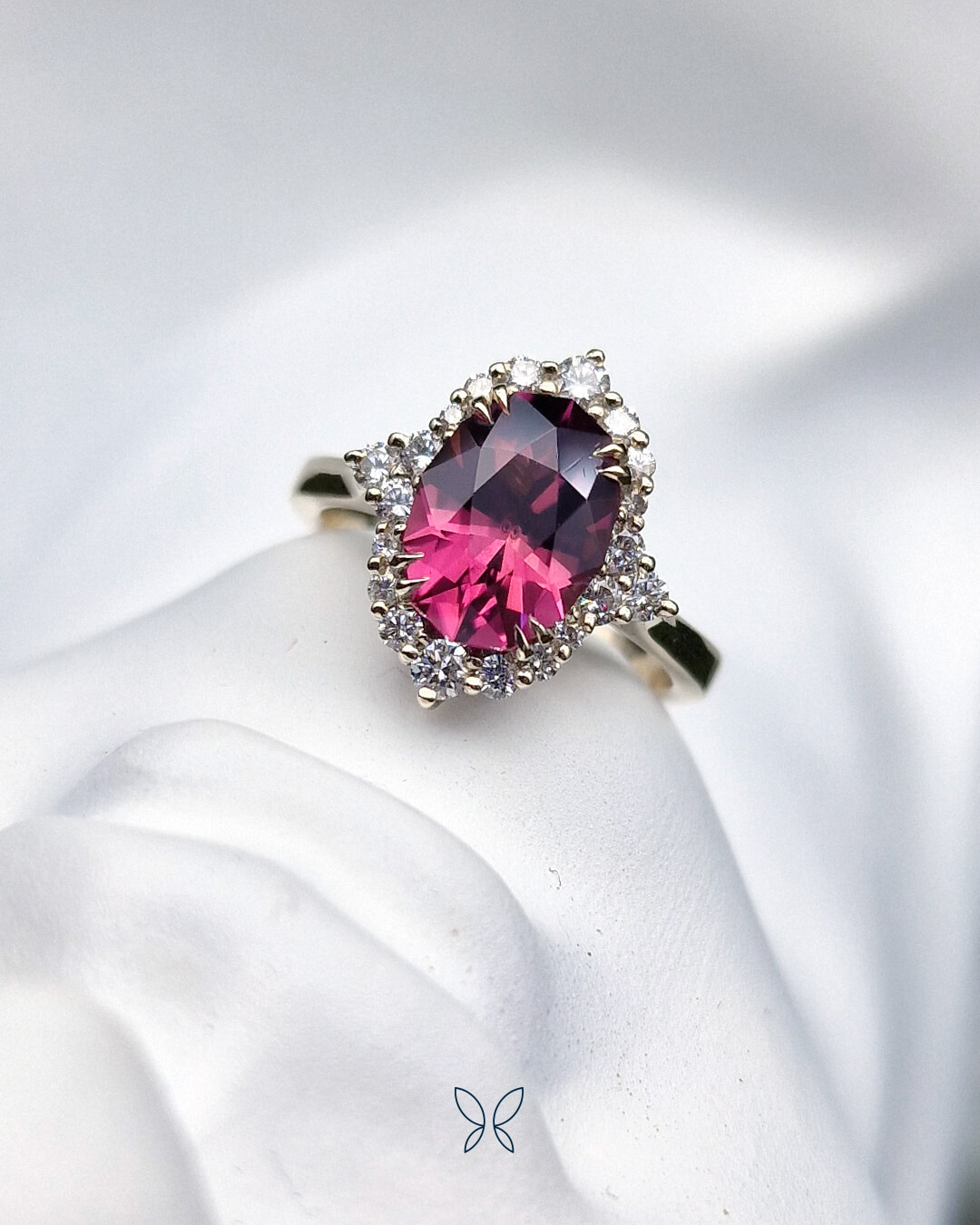
  • Pink: from pastels to deep magentas, symbols of love.
  • Green: from fresh mint to intense forest tones.
  • Schorl: opaque black, elegant and protective.
  • Watermelon: pink and green bicolor, like a slice of ripe melon.

Each variety is a chromatic universe. What makes Tourmaline unique is the certainty that no two will ever be the same.

Now, tell me about the Jewel of your dreams

Whether it’s a gift for someone special or something you finally want to give yourself, here you don’t start by flipping through a catalog — you start with yourself.

You will be listened to, guided, and together we will shape something that doesn’t exist yet: your Giacomo Loppoli.