Origin
Spinels form in metamorphic rocks and alluvial deposits, under conditions that make them far rarer than Rubies and Sapphires. Major sources include Tanzania, Afghanistan, Tajikistan, Vietnam, Sri Lanka, and Myanmar.
Some of these locations are remote and difficult to access, but it is precisely there that the purest and largest crystals are found.
Each origin brings its hues: vivid reds from Mahenge, electric blues from Luc Yen. Gems that carry the character of their land.
History
“Here are found Balas Rubies, beautiful and of great value, not to be found anywhere else in the world.” — Marco Polo, Il Milione (1298)
Marco Polo wrote these words describing the mines of Badakhshan in Central Asia. What he called “Balas Rubies” were in fact Spinels — indistinguishable from Rubies until the 19th century.
Some of the world’s most famous “Rubies,” like the Black Prince’s Ruby or the Timur Ruby in the British Crown Jewels, are actually Spinels.
For centuries they were worn by emperors and kings as symbols of prestige and power, without anyone knowing their true name.
Technical characteristics
Spinel is a magnesium aluminum oxide with hardness 8 on the Mohs scale: resistant, suited to daily wear, and capable of retaining its brilliance over time.
Rarer than Rubies and Sapphires, Spinel is produced by nature in extremely limited quantities.
Its perfect crystal structure gives it transparency, vivid color, and a natural brilliance that requires little to no treatment. An authentic Gem, straightforward, loved for what it is: pure light and color.
Variety
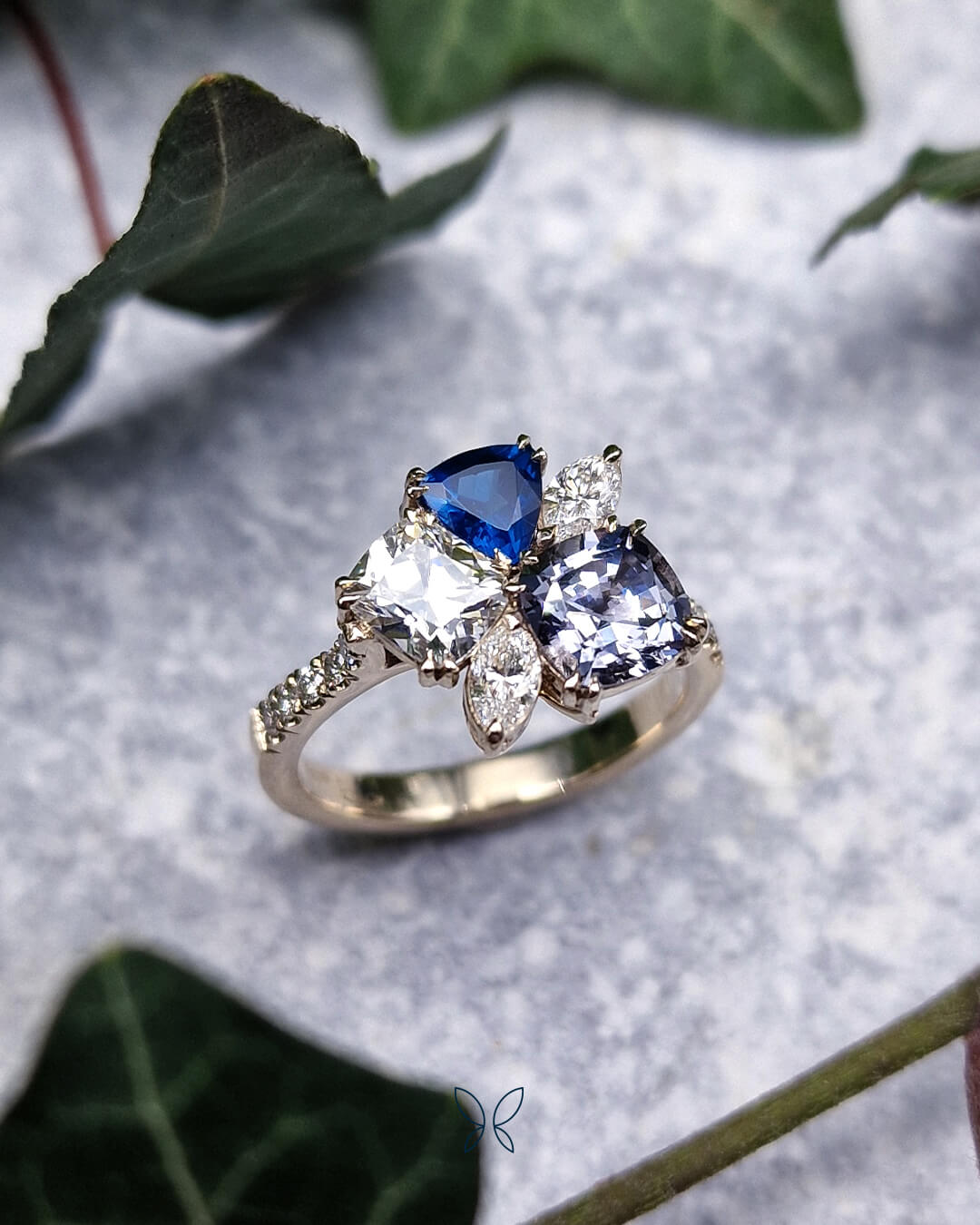
Spinel comes in an incredible range of colors:
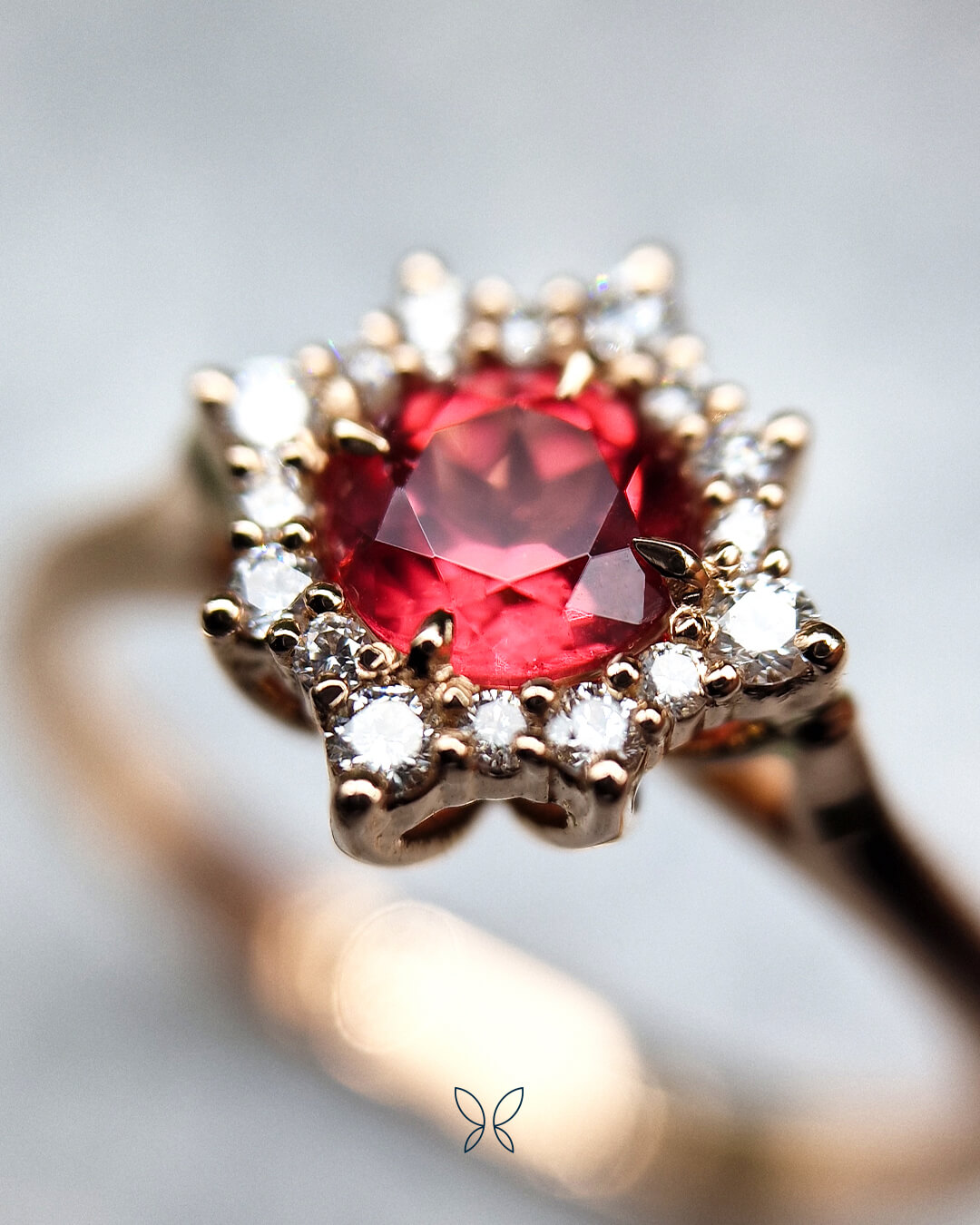
- Red Spinels (Myanmar, Mahenge in Tanzania): often mistaken for Rubies, with vivid crimson hues.
- Cobalt Blue Spinels (Luc Yen, Vietnam): extremely rare and highly prized, intense and deep.
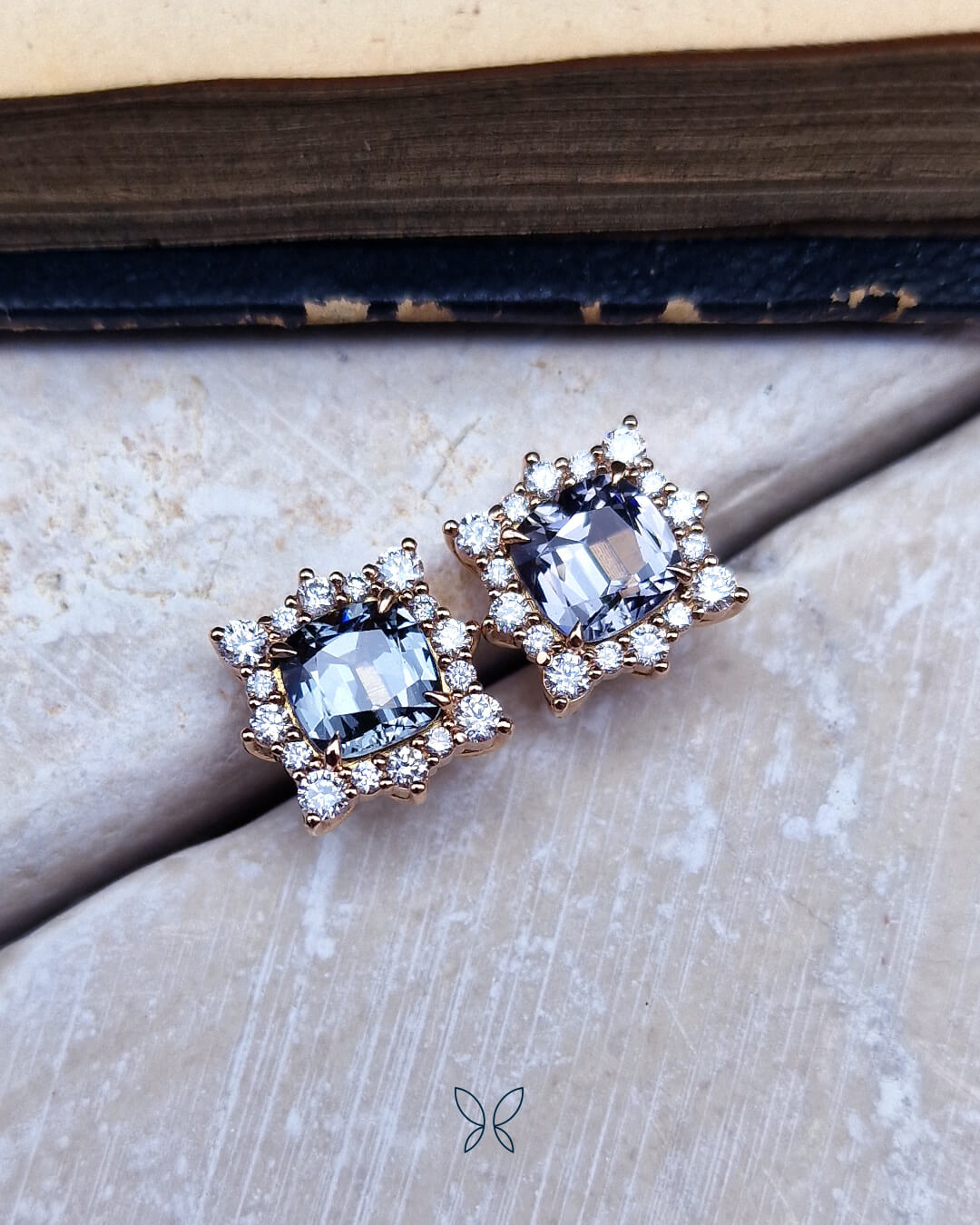
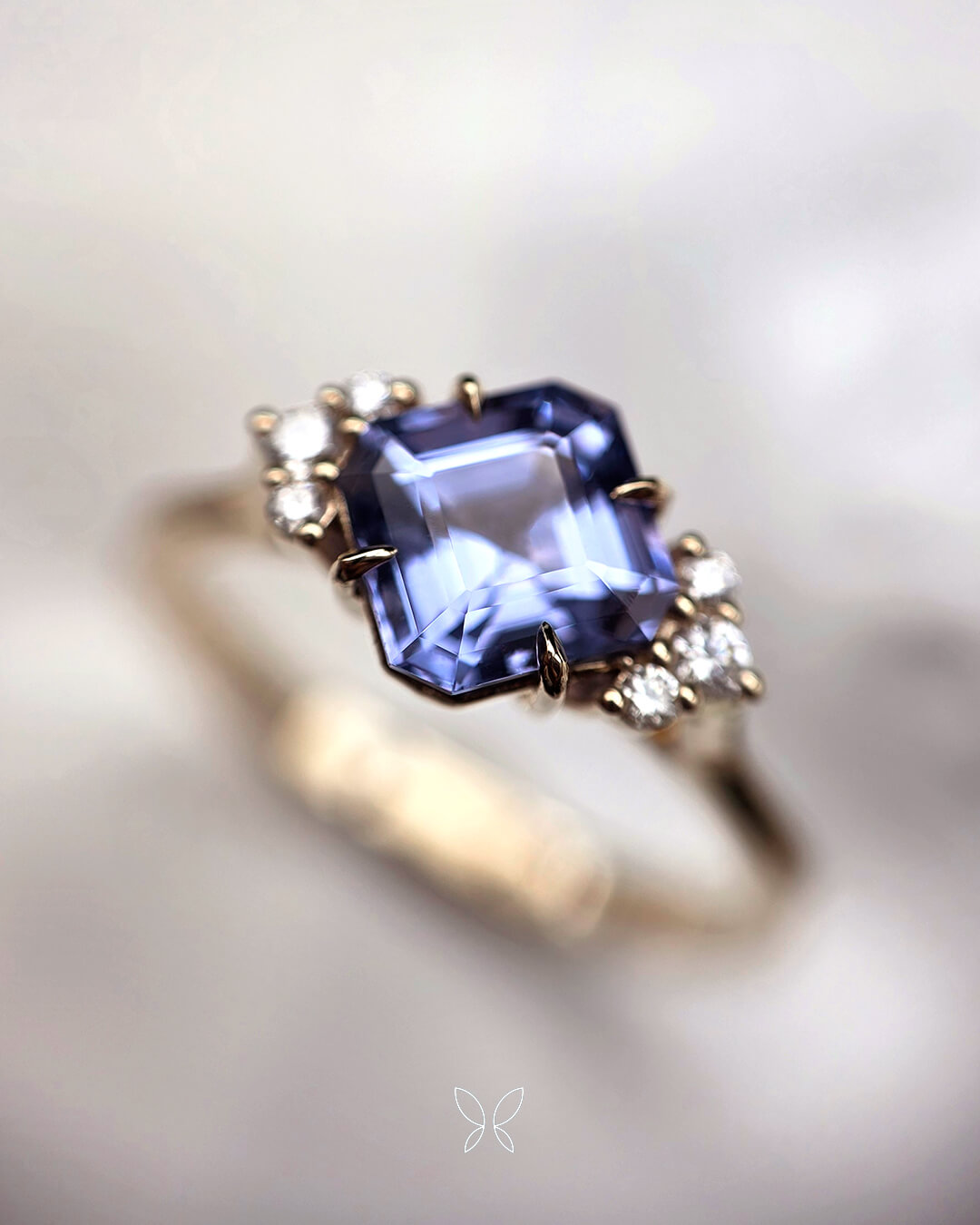
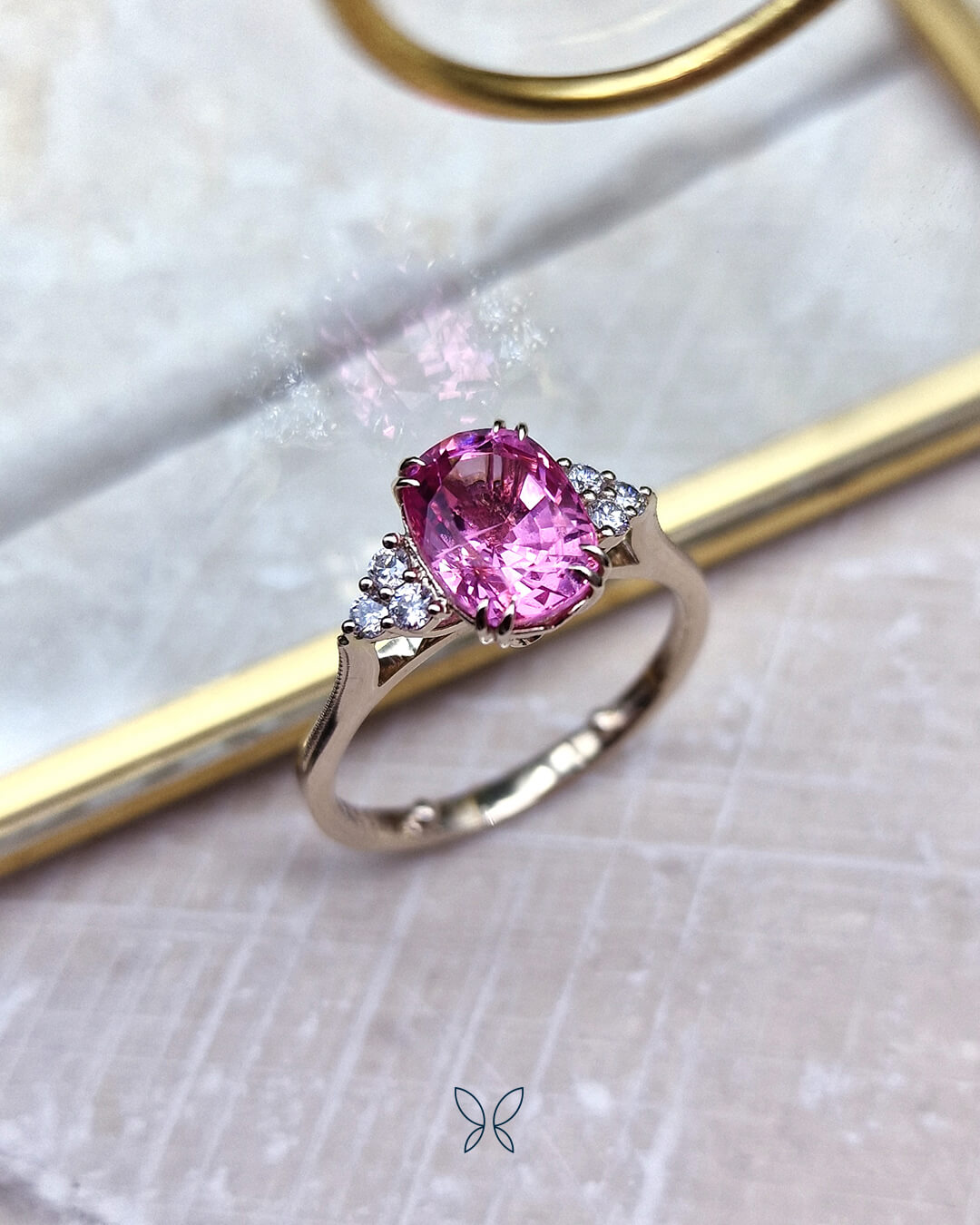
- Pink & Violet Spinels: delicate yet bold shades, beloved in contemporary jewelry.