Origin
Diamonds are born more than 150 km beneath the Earth’s surface, where pure carbon crystallizes under extreme pressure and temperature. They reach the surface through volcanic eruptions, embedded in kimberlite rocks.
The world’s most famous mines? South Africa, Russia, Botswana, Canada, and Australia, each with distinct characteristics.
Some have become legendary: think Cullinan in South Africa or Argyle in Australia. My personal favorite? Without doubt, Argyle.
History
“Adamas invictus est.” (Diamond is invincible.) – Ancient Greek tradition
From antiquity, the Diamond has been a symbol of courage and strength. The Greeks saw them as the tears of the gods, while the Romans wore them as talismans in battle.
In the European Renaissance, they became emblems of power and wealth, and in the modern era, the universal symbol of eternal love.
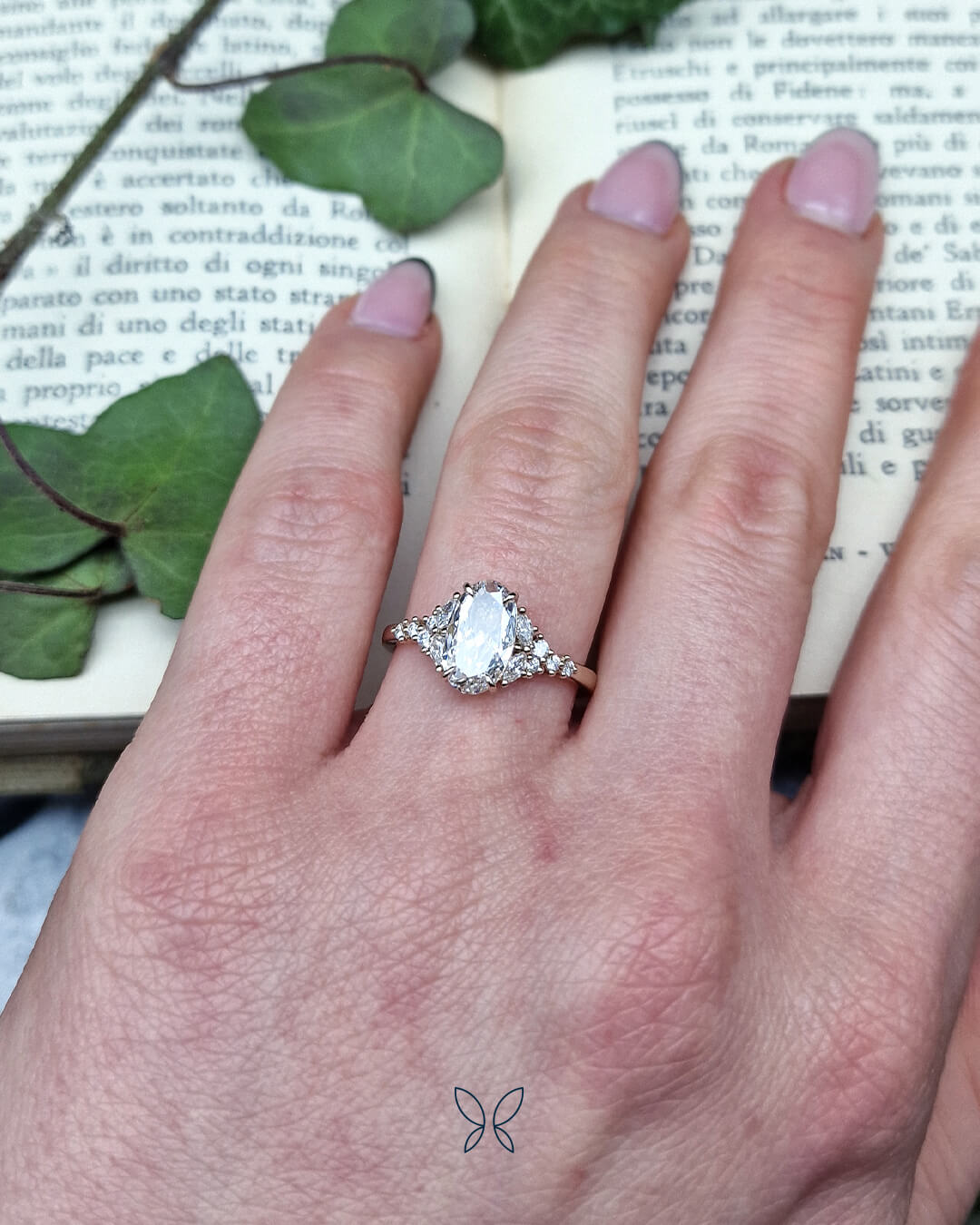
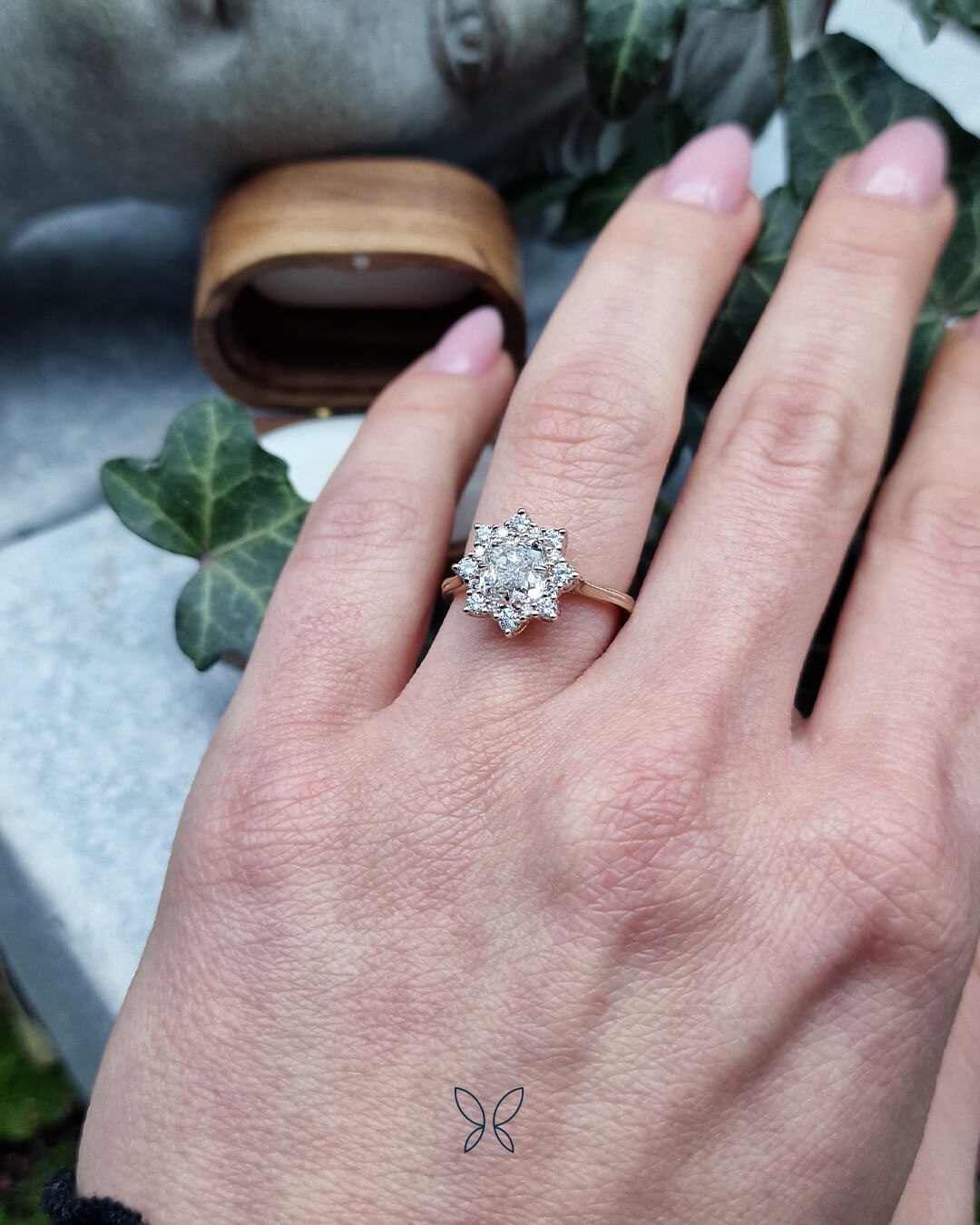
From royal thrones to today’s engagement rings, Diamonds have crossed centuries without ever losing their essence.
Technical characteristics
Il Diamante è il materiale naturale più duro conosciuto: 10 su 10 nella scala Mohs. Resiste ai graffi e mantiene la sua bellezza intatta nel tempo.
La sua brillantezza è dovuta a un alto indice di rifrazione: la luce entra, si riflette e torna all’occhio con il caratteristico “fuoco”, una dispersione di colori che incanta al primo sguardo.
Il taglio è la chiave: un Diamante ben tagliato sprigiona luce da ogni angolo. Per valutarne la qualità, in Gemmologia vengono usate le famose 4C: Carat, Cut, Color, Clarity.
Variety
There is not just one type of Diamond:
- Colorless: from D (absolutely pure) to Z (slightly tinted).
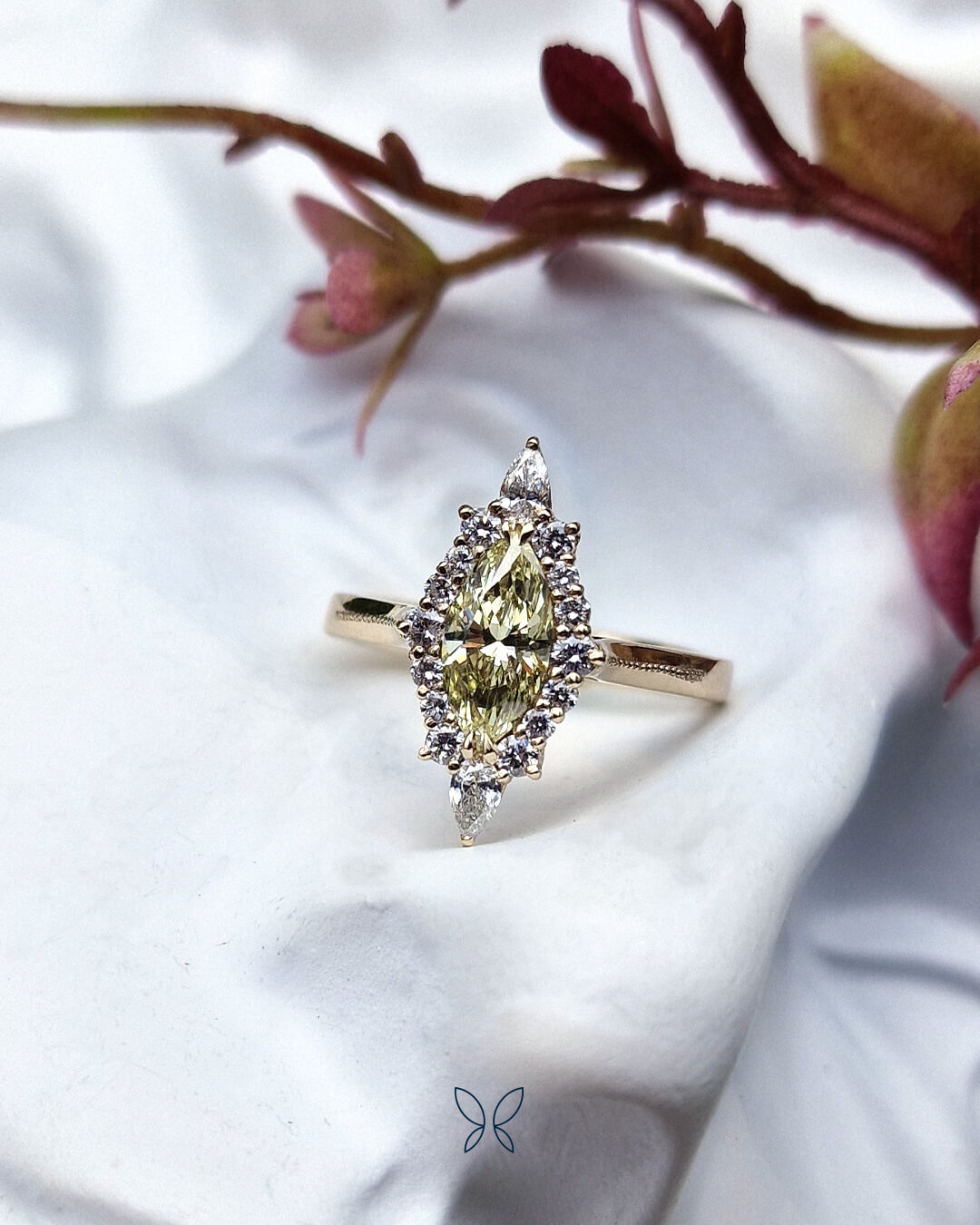
- Fancy Colors: pinks, yellows, browns, greens, and the rarest reds. Among the most famous are those from Argyle (Australia) and Cullinan (South Africa).
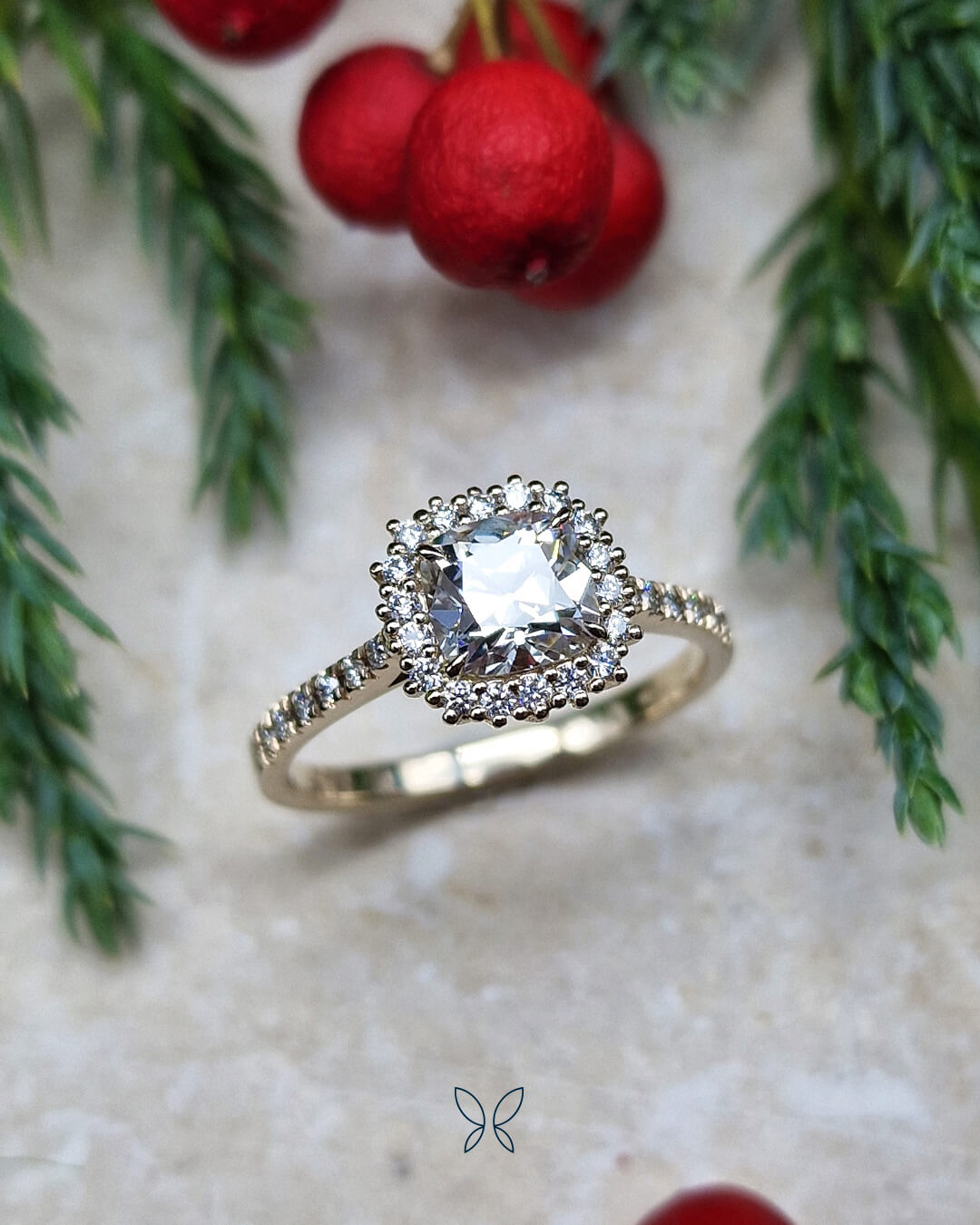
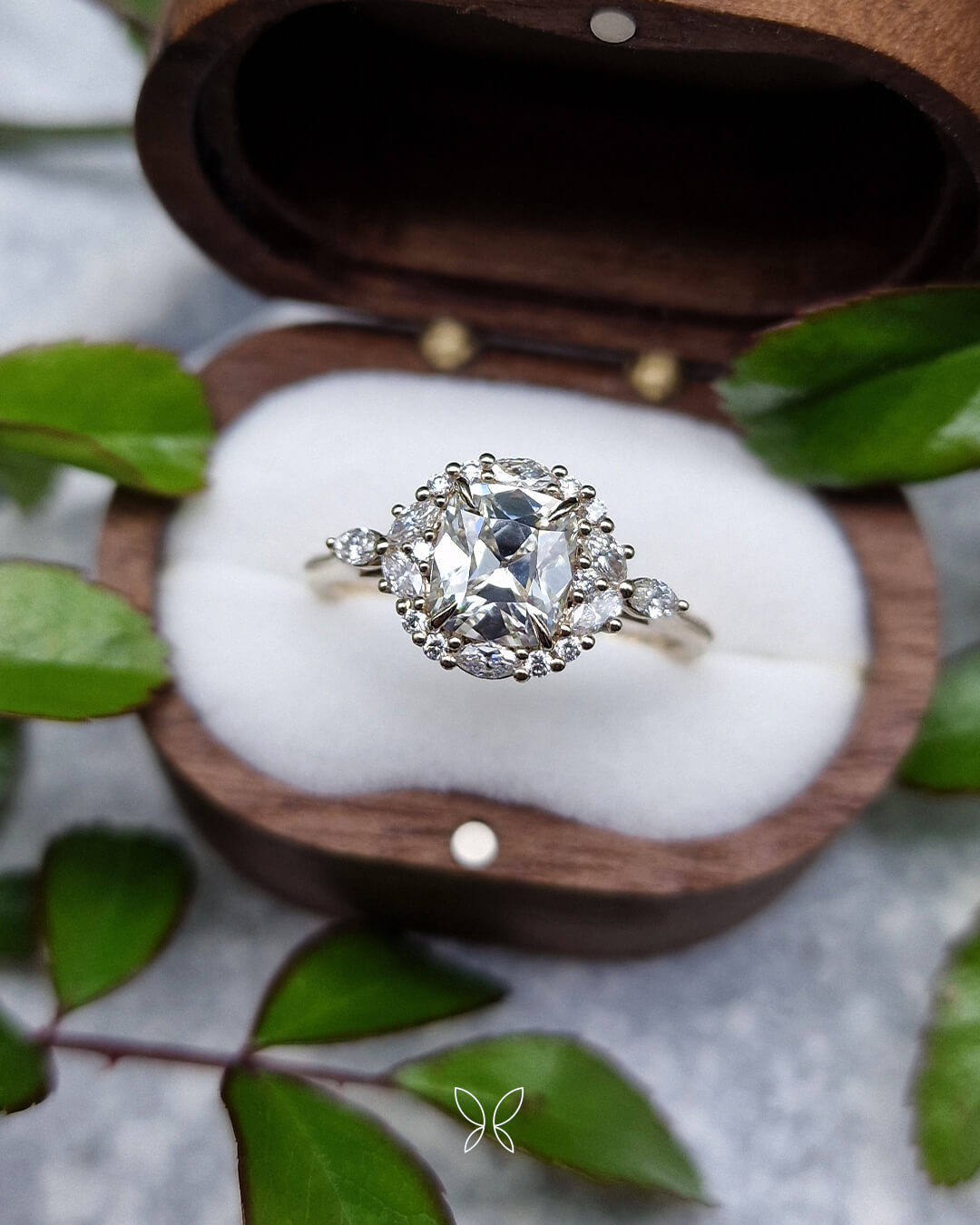
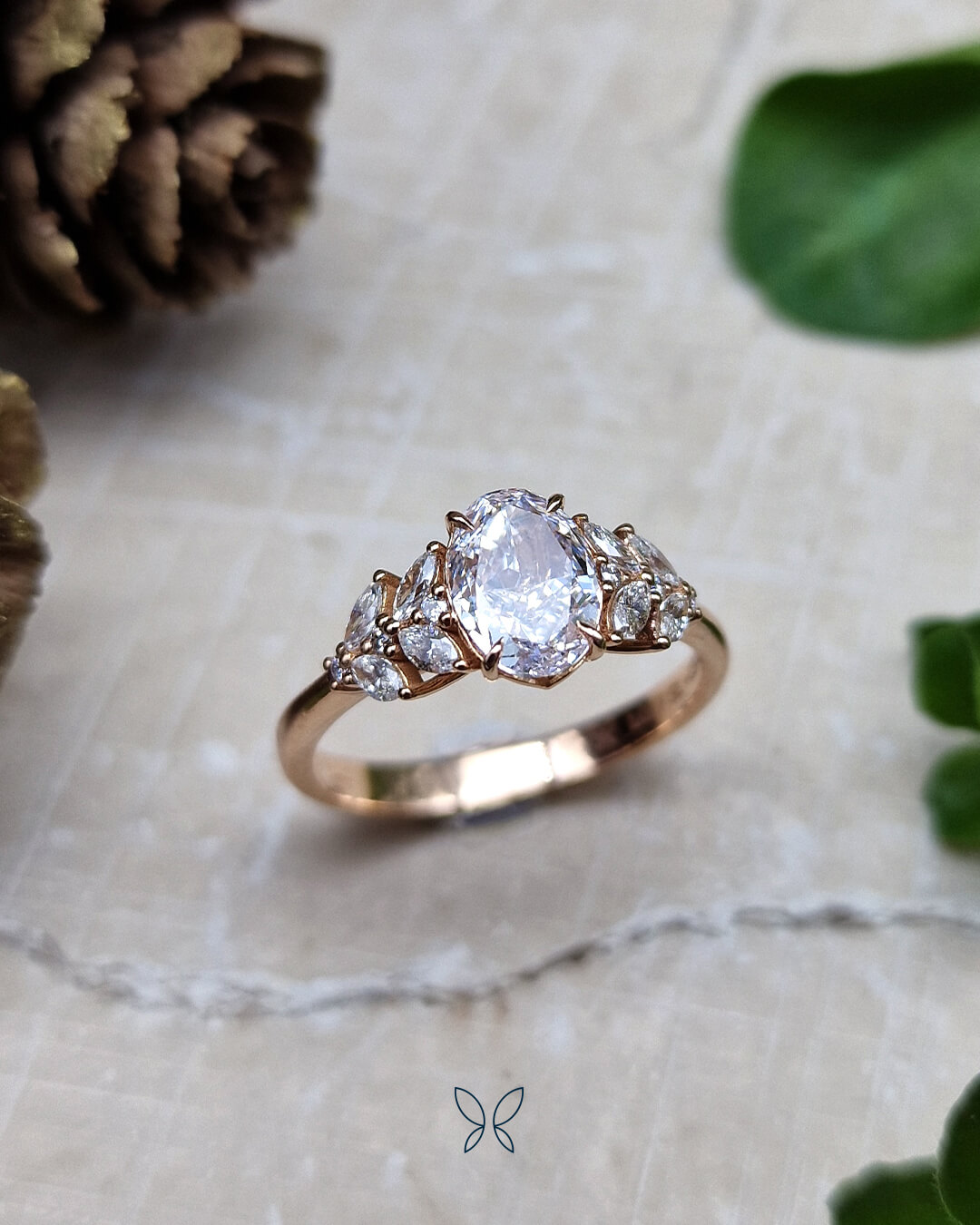
- Cuts: round brilliant, princess, cushion, emerald, marquise… each one reveals the light in a unique way.
Whether a classic colorless stone or a rare fancy Diamond, it always reigns supreme.