Origin
Zircon crystallizes as zirconium silicate (ZrSiO4) in metamorphic rocks and alluvial deposits.
It is among the Earth’s oldest minerals, with crystals dating back over 4 billion years.
Major deposits are found in Cambodia, Sri Lanka, Myanmar, Tanzania, Madagascar, Australia, and Nigeria.
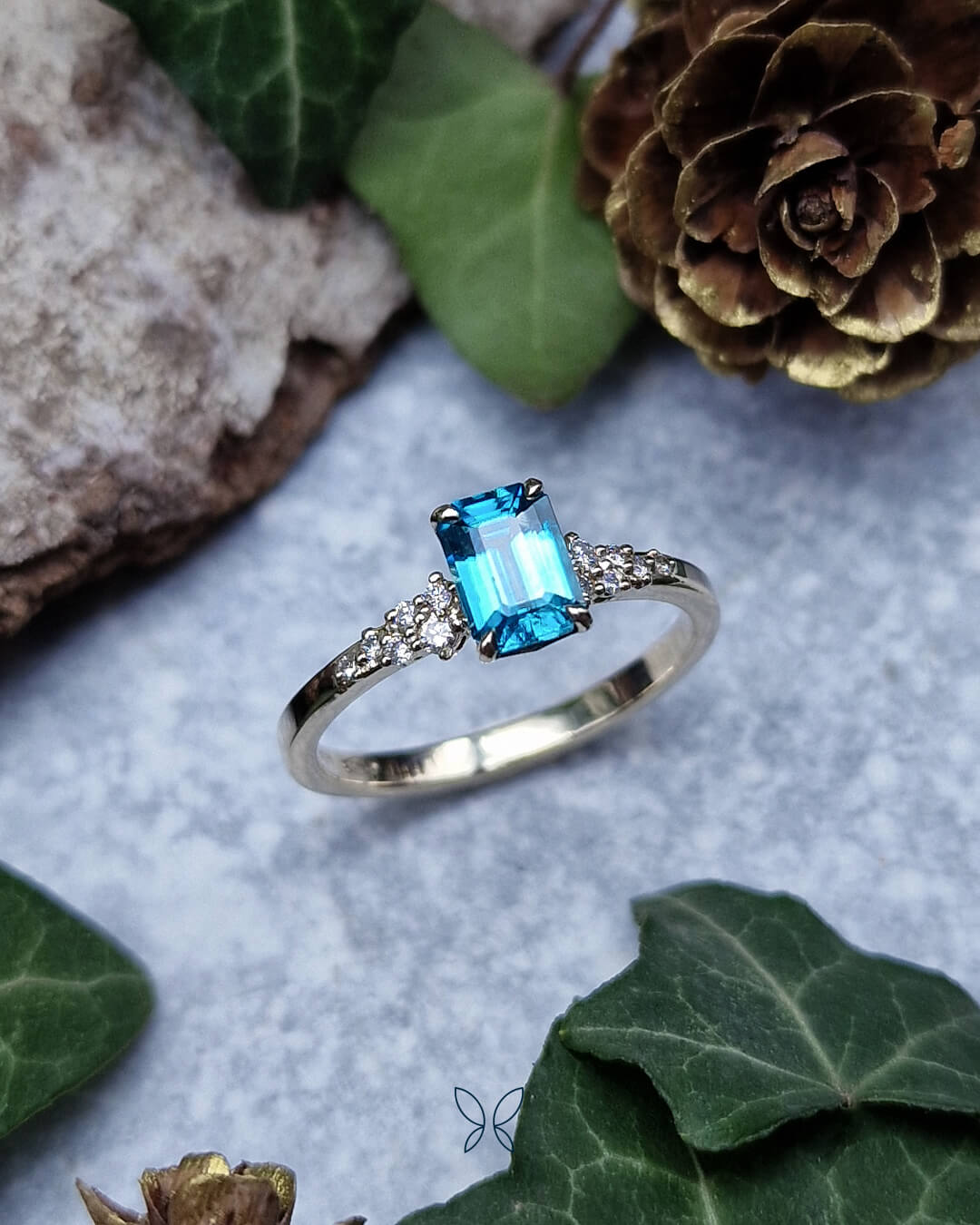
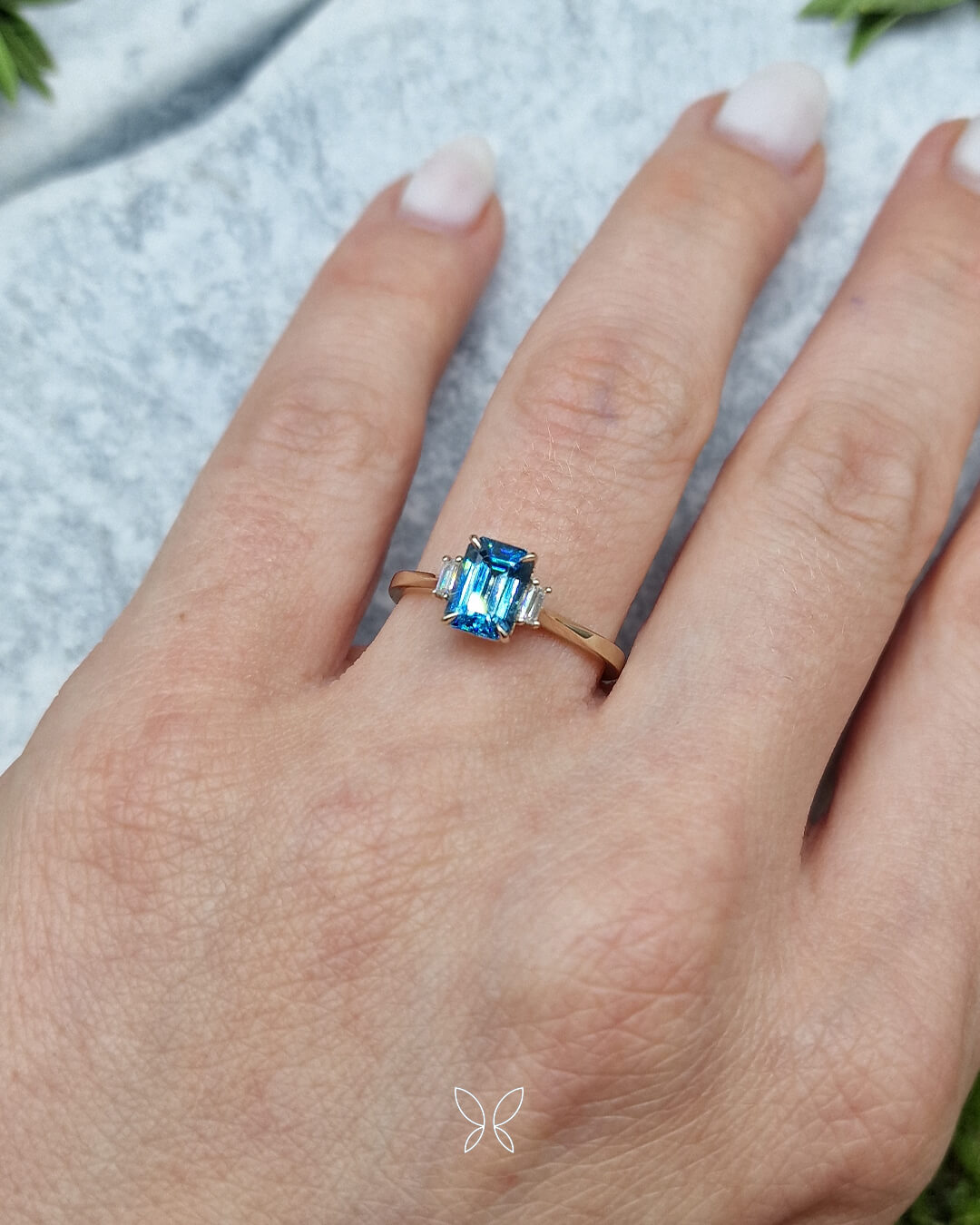
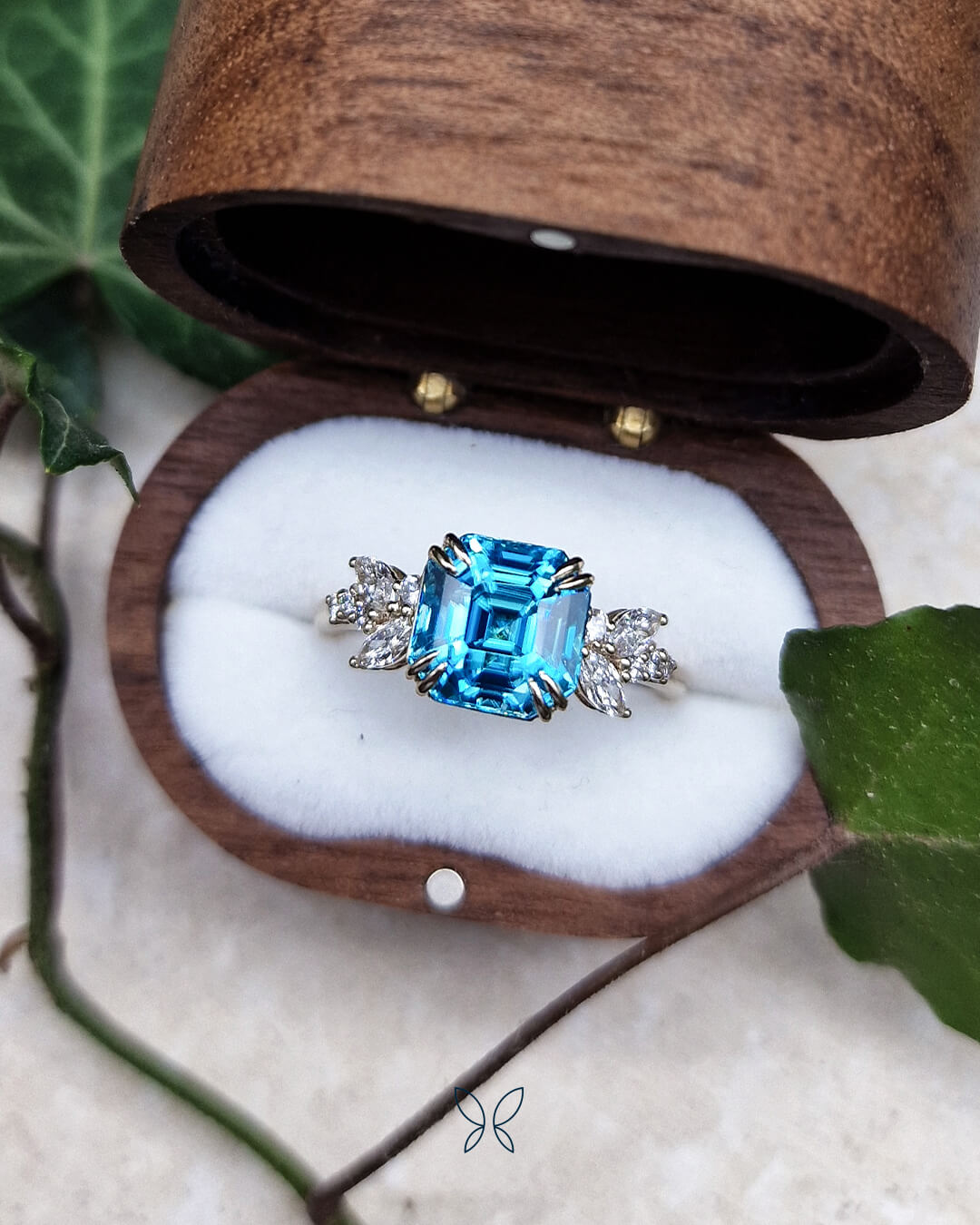
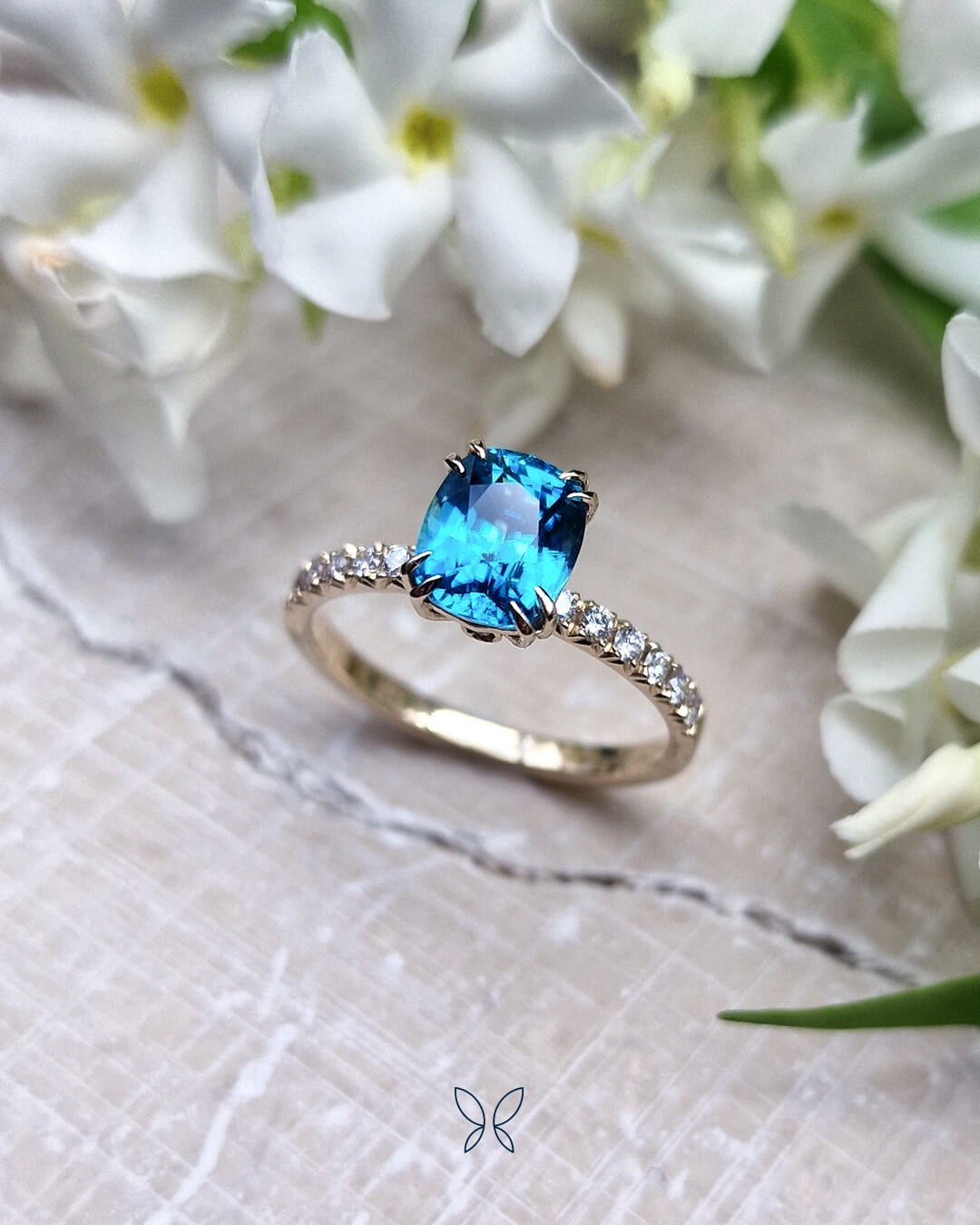
Cambolite takes its name from Cambodia, particularly the Ratanakiri region, famous for its luminous blue Zircons. Each origin leaves its own signature of color and clarity.
History
“Zargun” — Persian for “gold-colored,” from which Zircon takes its name.
By the Middle Ages Zircon was considered protective: believed to promote restful sleep, attract prosperity, and ward off evil spirits.
In the Victorian era, blue Zircon became a jewelry must-have, while colorless versions — nicknamed “Matura Diamonds” — were chosen as substitutes for Diamonds due to their dazzling fire.
“Cambolite” is a recent definition, but its roots are ancient: Cambodian mines have long produced Zircons of the highest quality.
Technical characteristics
Zircon has a hardness between 6.5 and 7.5 on the Mohs scale: less resistant than Corundum or Diamond, but with a brilliance few can rival.
Its high refractive index gives it intense sparkle and a fire reminiscent of Diamond.
Its color is highly variable: from heat-treated blue to golden yellow, red, and green.
Cambolite is renowned above all for its intense blue and petrol-blue hues.
Variety
Not one, but infinite types of Zircon. Among the most loved:
- Cambolite (Ratanakiri): superior-quality blue Zircon, vivid, satiny, almost electric tones.
- Colorless Zircon: known as “Matura Diamond,” for its optical resemblance to Diamond.
- Golden Yellow Zircon: brilliant, warm, luminous, beloved in Victorian jewelry.
- Red & Pink Zircon: rare and prized, mainly from Tanzania and Myanmar.
- Green Zircon: uncommon, often caused by natural radiation exposure.
- Brown Zircon: warm, earthy tones, common in Cambodia and Australia.